Eraser Line Gradient Icon: Vector Graphics for Modern Design
In the realm of digital design, the quality of your assets often determines the clarity of your message. A single icon, when chosen poorly, can disrupt the visual harmony of an entire project. This is why the search for versatile, high-quality graphical elements is a constant for designers and content creators. The Eraser Line Gradient Icon is one such asset, a specialized tool built not just for aesthetic appeal but for practical, cross-platform functionality. It represents a specific design choice: the use of a line gradient style to convey a modern, clean, and slightly dynamic feel.
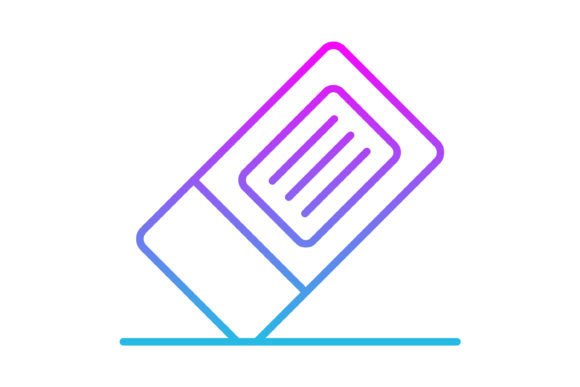
Understanding what this icon is and how it functions is the first step toward using it effectively. At its core, an eraser icon symbolizes correction, editing, removal, or a fresh start. The "line gradient" aspect refers to its visual style. Instead of a solid, flat color, the lines of the eraser feature a subtle transition from one color to another, or from opaque to transparent. This technique adds depth and a contemporary touch without the complexity of a fully rendered illustration. It sits comfortably between the minimalism of a solid icon and the detail of a pictorial one, making it a flexible choice for various design contexts.
Practical Applications in Digital and Print Projects
The true value of any design asset lies in its application. For the Eraser Line Gradient Icon, its utility spans across numerous common projects where clear visual communication is key. Consider the user interface of a mobile application. Within a photo editing app, a notes application, or a collaborative tool, an eraser icon is a universal symbol for the delete or undo function. Using a high-quality, scalable vector version ensures the icon remains sharp and recognizable on any screen size, from a small smartphone to a high-resolution tablet. The gradient effect can help the icon stand out subtly from the background, improving user experience by making interactive elements more noticeable without being visually jarring.
Beyond mobile apps, this style of icon finds a natural home on websites and in digital presentations. A website focused on educational content, design services, or software tutorials can use the eraser icon to visually represent concepts like "clearing your canvas," "starting over," or "removing errors." In a presentation slide, it can serve as a powerful metaphorical image when discussing problem-solving, brainstorming sessions, or project refinement. The line gradient style often conveys a sense of innovation and modernity, which can help align the visual tone of a presentation with a forward-thinking message.
Advantages of a Multi-Format Asset Pack
A significant feature of this particular icon resource is that it is not provided as a single, static image. The inclusion of five distinct file formats—AI, EPS, JPG, PNG, and SVG—within a single zip file is a deliberate and practical design decision. Each format serves a specific purpose, giving the user complete control over how the icon is implemented.
- Vector Formats (AI, EPS, SVG): These are the cornerstone of professional design work. Vector graphics are based on mathematical paths, not pixels. This means the Eraser Line Gradient Icon can be scaled to any size—from a tiny favicon to a large banner print—without any loss of quality or sharpness. The AI (Adobe Illustrator) and EPS (Encapsulated PostScript) files are ideal for designers who need to edit the icon's paths, colors, or gradient details directly within professional software. The SVG (Scalable Vector Graphics) format is particularly crucial for modern web development, as it is lightweight, scales perfectly, and can be easily manipulated with CSS and JavaScript for interactive web elements.
- Raster Formats (JPG, PNG): These are pixel-based images ready for immediate use. The JPG format is suitable for situations where a small file size is prioritized and a transparent background is not needed. However, the PNG with a transparent background is often the most versatile raster option. It allows the icon to be placed over any color, pattern, or image without a white box surrounding it, which is essential for clean integration into web pages, documents, and video projects.
This multi-format approach solves a common problem: the need to source the same visual element in different formats for different stages of a project. Having all five formats in one package streamlines the workflow, saving time and ensuring visual consistency from the initial design mockup in Illustrator to the final deployed website or printed handout.
Who Benefits Most and Why
This icon set is particularly valuable for professionals and creators who operate across multiple mediums. Graphic designers and UI/UX designers benefit from the editability and scalability of the vector files, allowing them to customize the icon to fit precise brand guidelines or interface designs. Web developers gain a reliable, crisp asset in SVG format that performs well on all devices. Marketers and content creators can quickly use the JPG or PNG versions in social media graphics, blog posts, or email newsletters to add a polished visual element that communicates ideas of editing or refinement.
Educators and presenters find the metaphorical power of the eraser icon useful for teaching materials and slide decks, where visual metaphors aid comprehension. Even small business owners creating their own promotional materials in tools like Canva or PowerPoint can leverage the transparent PNG to create more professional-looking designs without advanced technical skills. The fact that the set includes 100 vector icons, with the eraser being one, suggests a broader toolkit, but the principles of quality and versatility apply directly to this specific asset.
Considerations for Effective Use
While the icon is designed for "maximum usability," thoughtful implementation is still necessary. The gradient style, while modern, may not align with every brand's aesthetic. For a brand that strictly adheres to a flat, solid-color design system, this icon might feel out of place. In such cases, the user would need to leverage the editable vector files to remove the gradient and apply a solid color, which is a straightforward process with the provided AI or EPS files.
Another consideration is context. The eraser symbol is universally understood for deletion or correction, but its specific meaning can shift slightly depending on the surrounding content. In a financial application, it might mean "clear transaction." In a text editor, it could mean "delete selection." Ensuring the icon's function is clear through accompanying text or its placement within a well-designed interface is crucial. The icon itself is a tool; its effectiveness depends on how skillfully it is integrated into the larger design.
In conclusion, the Eraser Line Gradient Icon is more than a simple picture. It is a carefully crafted design asset built for the demands of modern, multi-platform creation. Its value is rooted in its clean aesthetic, its metaphorical clarity, and most importantly, its technical versatility. By providing the asset in five essential formats, it empowers users to maintain quality and consistency from the first sketch to the final product, whether that product lives on a screen, in a hand, or in the cloud. For anyone involved in creating visual content, having such a reliable and adaptable tool in their library is a practical advantage that supports efficient and professional work.